Roman Coffee Dispatch • Est. 2026

Rome’s Best Cafés, Espresso Bars & Traditional Pastries

From marble-topped counter bars facing the Pantheon to century-old pastry laboratories in the Esquiline quarter, explore authentic Italian café rituals through verified heritage establishments.

The Roman Ritual

In the historic rioni of Rome, drinking coffee is not an all-afternoon desk occupation; it is a rapid, rhythmic stand-up ceremony. One pays first at the cash register (cassa), receives a paper slip (scontrino), leaves an optional coin on the zinc or marble counter (banco), and greets the barista with a specific instruction.

Within thirty seconds, a warm, thick-walled porcelain cup arrives coated with dense, hazelnut-shaded crema. You drink in two swift sips, cleanse your palate with mineral water, and step back into the sunlit piazza. Below, we chronicle five benchmark cafés that maintain these century-old roasting traditions, ceremonial service standards, and quintessential Roman breakfast pastries.

The Five Landmark Cafés

Curated by neighborhood, preparation specialization, and historic significance.

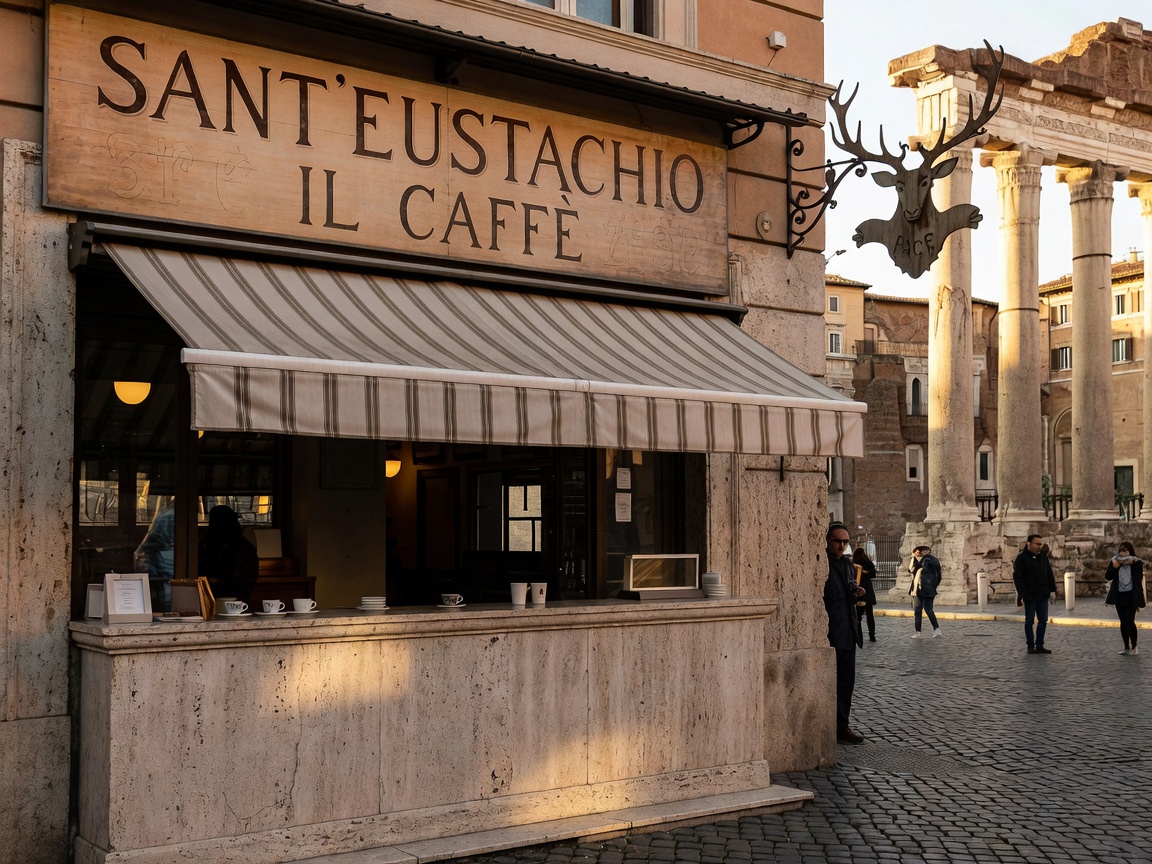
Exterior counter and signage of Sant'Eustachio Il Caffè near the Roman Senate Piazza Sant'Eustachio
Founded 1938 • Wood-Roasted Beans

Sant'Eustachio Il Caffè

Celebrated for its velvety, naturally sweetened espresso prepared behind yellow barriers. Roasting Arabica selections over certified organic beechwood logs since the 1930s adjacent to the Pantheon.

Signature Gran Caffè Beechwood Roasting Historic Counter Bar
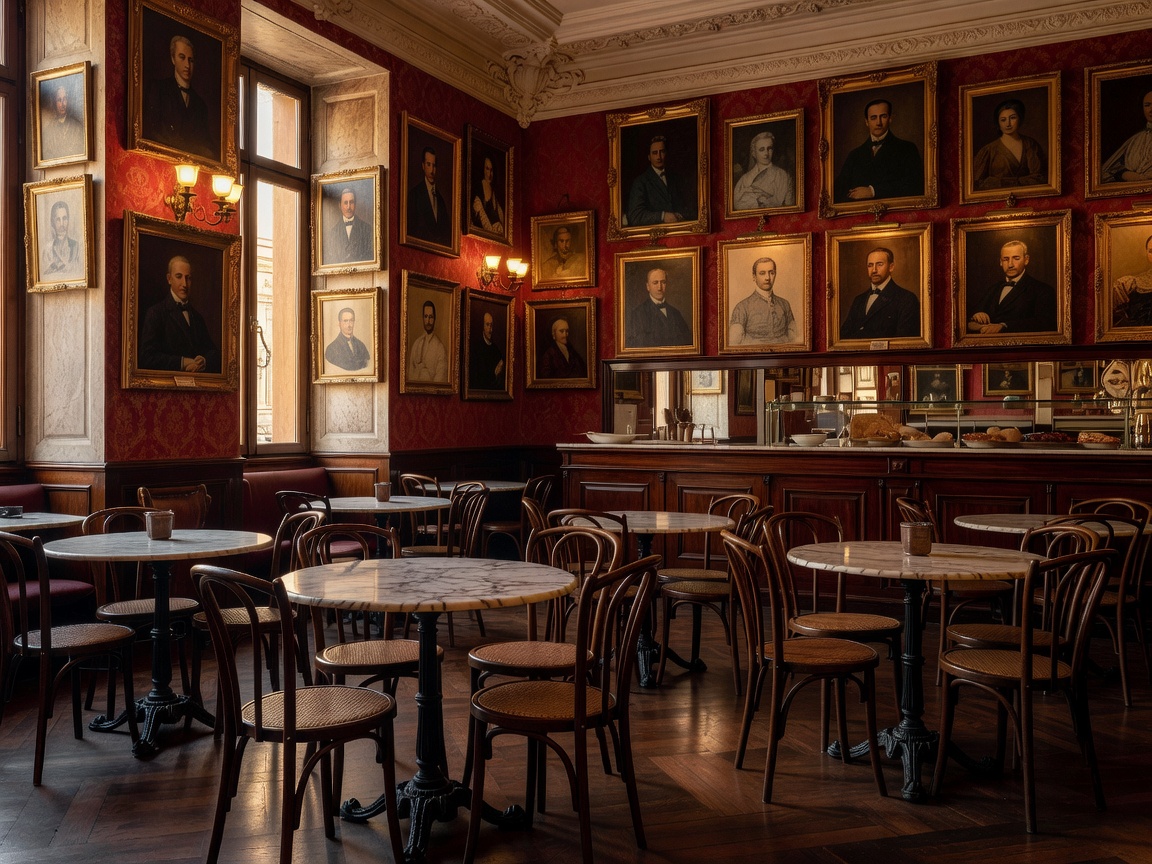
Antico Caffè Greco elegant interior with marble tables and framed historic portraits Via dei Condotti
Founded 1760 • Oldest Bar in Rome

Antico Caffè Greco

Rome's oldest continuously operating coffee institution, where Goethe, Keats, Byron, and Casanova once congregated. Tuxedo-clad cameriere serve rich espresso on silver trays in red-damask salons.

Red Velvet Salons Historic Art Collection Silver Service
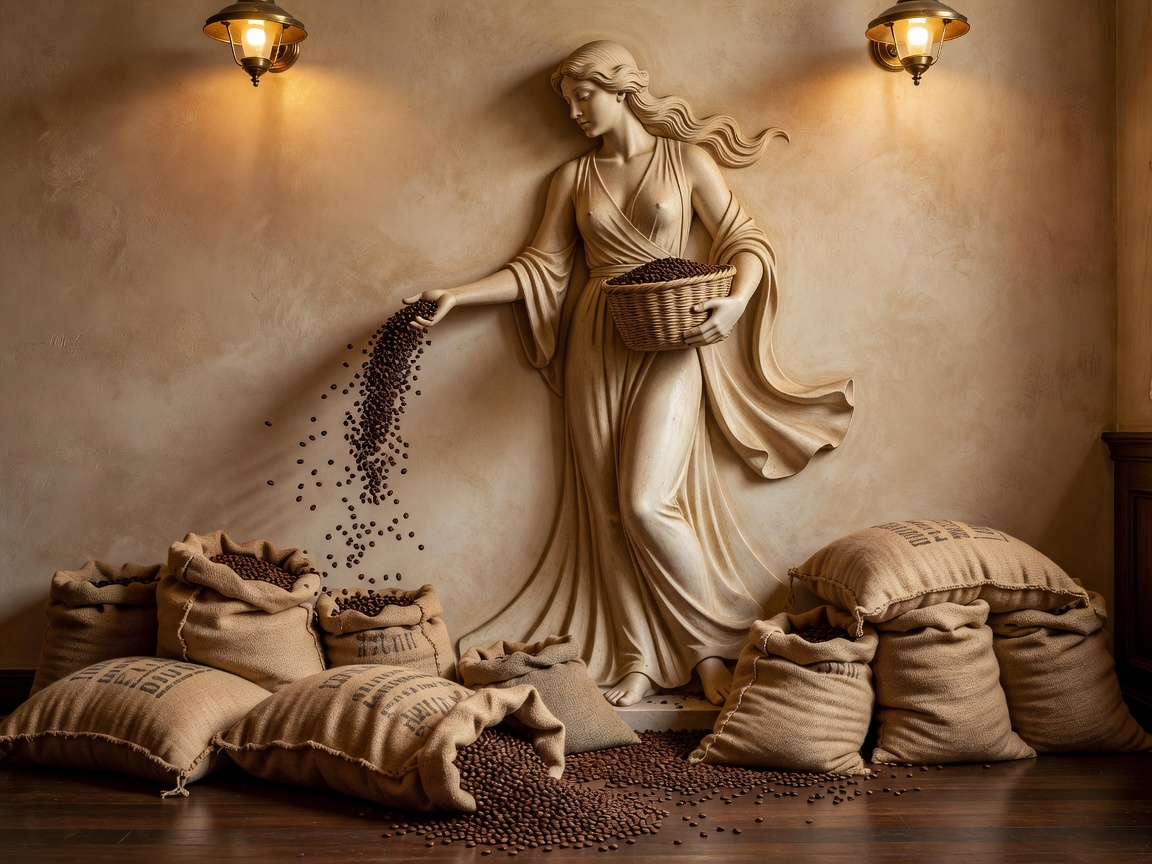
Tazza d'Oro coffee sacks and iconic art deco maiden sowing coffee beans Pantheon / Trevi
Founded 1944 • Granita Specialist

La Casa del Caffè Tazza d'Oro

Located steps from the Pantheon portico, this bustling torrefazione roasts green beans on-site. Globally revered for its Granita di Caffè layered between thick clouds of cold whipped fresh dairy cream.

Granita di Caffè con Panna House Regina Blend Rapid Turn Counter
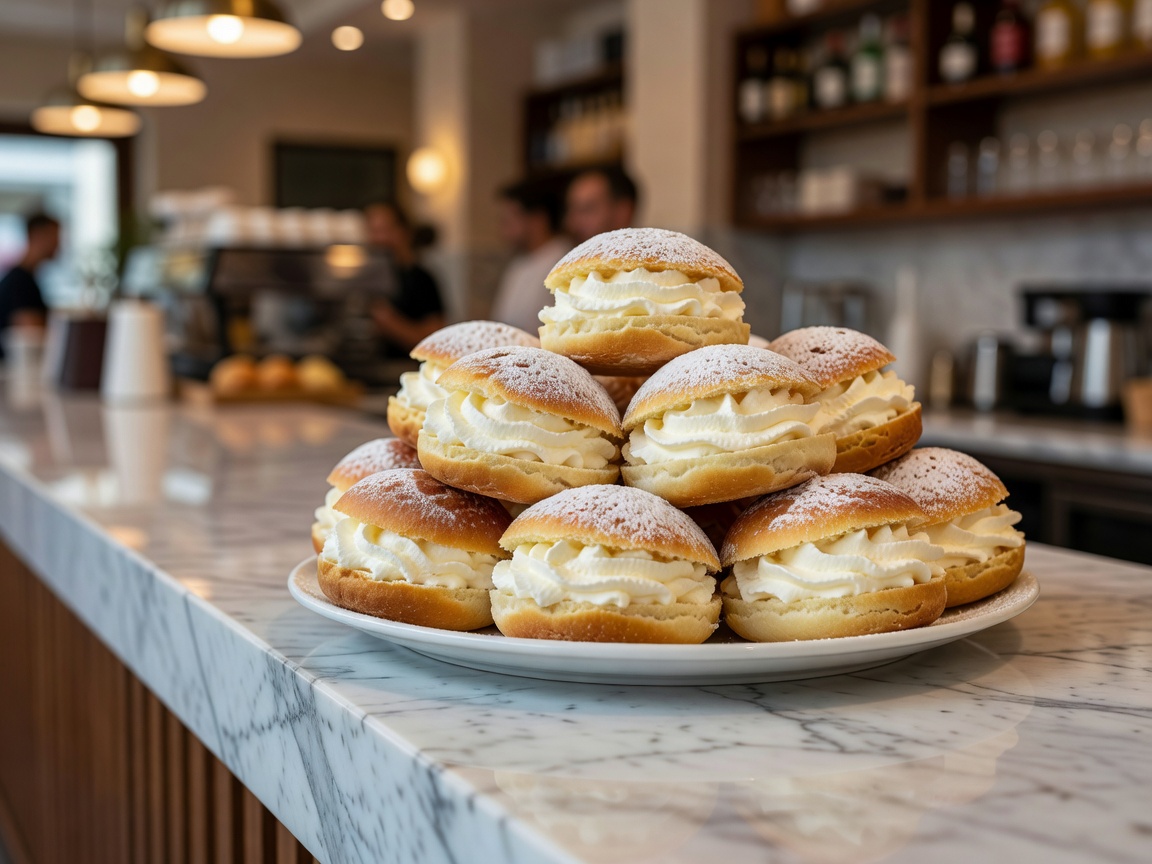
Modern marble counter at Roscioli Caffè with freshly filled Roman maritozzi pastries Campo de' Fiori
Contemporary Benchmark • Artisanal Pasticceria

Roscioli Caffè Pasticceria

A masterclass in modern Roman gastronomic precision. Roscioli unites high-extraction custom roasts with textbook maritozzi with panna, savory tramezzini, and miniature artisan pastries.

Signature Maritozzi Custom Roasting Profiles Savory Gastronomy
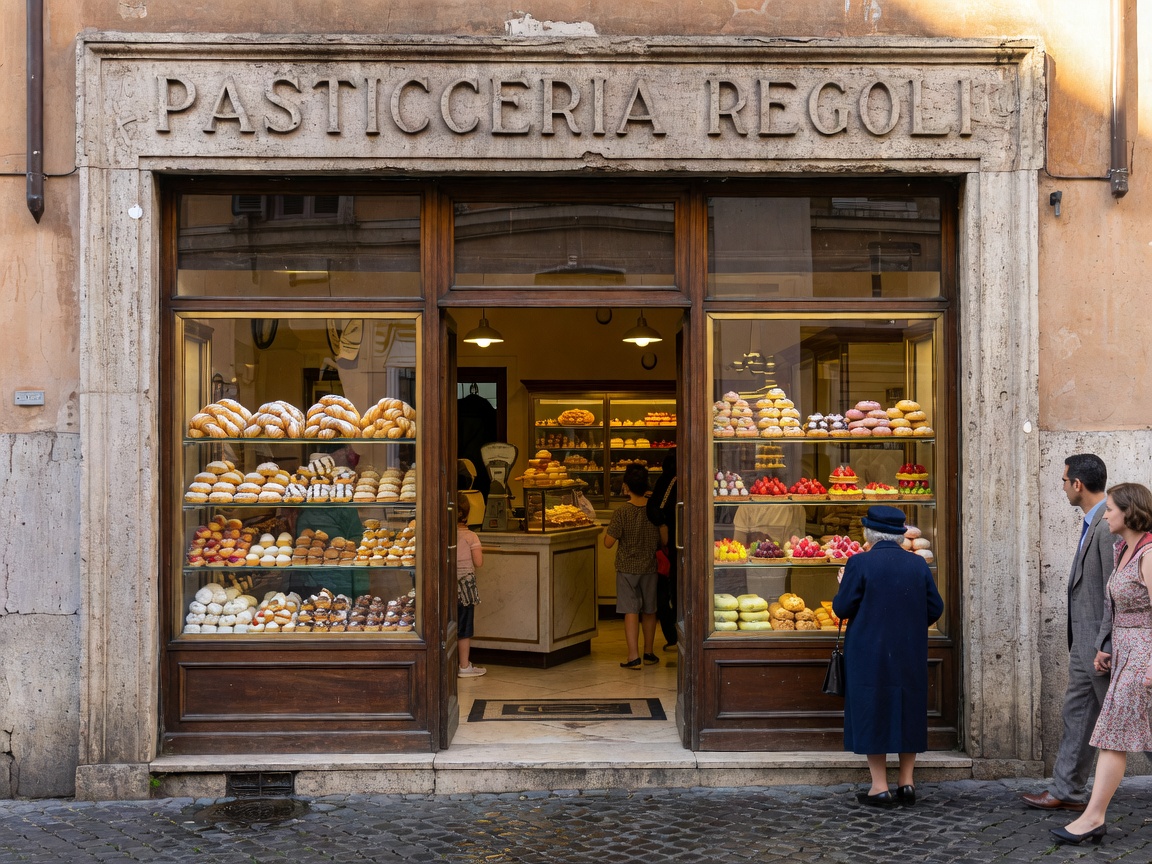
Pasticceria Regoli historic storefront with pastry displays in the Esquiline quarter Rione Esquilino
Founded 1916 • Baking Temple

Pasticceria Regoli

A century-old institution near Santa Maria Maggiore where mornings are anchored by Rome's definitive maritozzo, traditional baked crostate, fresh bignè, and piping hot cappuccino.

Lenten Maritozzi Quaresimali Pastry Cream Bignè Classic Cappuccino

Interactive Roman Order Selector

Select your time of day and caffeine preference to learn the authentic order, pronunciation, and unwritten cultural rule.

Recommended Breakfast Order

Cappuccino e Cornetto Semplice

kahp-poo-CHEE-noh eh kor-NEHT-toh

Romans strictly enjoy milk-heavy coffee before 11:00 a.m. Pairing an espresso topped with dense microfoam with a brioche-style cornetto constitutes the archetypal Italian morning feast.

Roman Golden Rule: Never order a cappuccino immediately after eating pasta or meat during lunch; locals consider hot milk incompatible with digestion.

The Historic Centro Bar Crawl

A verified pedestrian path connecting four central institutions in under 2.5 kilometers.

01

Start: Antico Caffè Greco (Piazza di Spagna)

Commence at 08:30 at the marble counter on Via dei Condotti. Order a standing espresso to admire the Biedermeier furnishings without paying salon table surcharges.

Walk 900m south-west via Via del Corso →
02

Stop 2: Tazza d'Oro (Pantheon)

Breeze past the columns of the Pantheon into Via dei Pastini. Order the Granita di Caffè con Panna at the cashier before enjoying it at the center island.

Walk 220m west through Piazza dei Caprettari →
03

Stop 3: Sant'Eustachio Il Caffè

Sample the wood-roasted Gran Caffè prepared with thick, naturally emulsified froth. Sip beside the bronze stag on the church pediment across the cobblestones.

Walk 850m south towards Campo de' Fiori →
04

Stop 4: Roscioli Caffè (Via dei Giubbonari)

Finish your crawl with a freshly piped maritozzo and an espresso extracted with light-medium roast origins for a vibrant, balanced conclusion.

Rituals & Etiquette

Al Banco vs. Al Tavolo

In Italy, standing at the bar (al banco) is protected by municipal cultural pricing conventions in historic centers, keeping espresso affordable. Sitting at an outdoor table (al tavolo) incurs full table service charges that reflect prime piazza views.

Water Etiquette

Most traditional Roman baristi slide a small tumbler of still or sparkling water alongside your espresso at no charge. Proper etiquette dictates drinking the water first to cleanse your palate before savoring the extraction notes.

The Scontrino Routine

At high-traffic historic bars, join the cash register line first. State your entire order, pay the cashier, receive the printed receipt (scontrino), and present it face-up to the barista at the marble counter.